
Wednesday, July 8, at 2:00 p.m. Eastern Time
On May 29, 2026, the Office of Management and Budget (OMB) proposed the most significant rewrite of federal grant rules in decades. If finalized, the new regulation would take effect on October 1, 2026, and could have a significant impact on federal grants to Tribal Nations.
Join NAFOA and a panel of experts as we break down what’s in the proposed rule, what it means for Tribal governments, and what you can do before the July 13 comment deadline.
Topics will include:
- Funding security risks: New agency authority to terminate discretionary grants mid-award with minimal notice and no formal appeal rights
- DEI restrictions and cultural programs: How vague new prohibitions could challenge Native language, health, education, and cultural programs
- Political appointee review: What the new pre-award approval process means for Tribes seeking discretionary funding
- New compliance burdens: E-Verify mandates, English-only requirements, subrecipient monitoring, and cost restrictions
- How to respond: Practical steps for risk mapping your grant portfolio, assessing compliance exposure, and submitting effective public comments
Speakers:
- Anita Shah, Principal, Baker Tilly
- Eric Russell, Consulting Director, MGO
- Brian Anderson, Partner, Wipfli LLP and Wipfli Advisory LLC
Application Deadline: Sunday, July 19, 2026, at 11:59 p.m. Alaska Time
The NAFOA Leadership Summit is a unique opportunity for Native American young professionals (ages 22-28) to enhance their leadership skills, engage with industry experts, and build a network of like-minded peers. This immersive program empowers emerging leaders interested in Tribal governance, economic development, and the business and finance sectors.
Applicants must be enrolled in the current session of Career Basics or be nominated by an alumnus or eligible NAFOA partner organization.
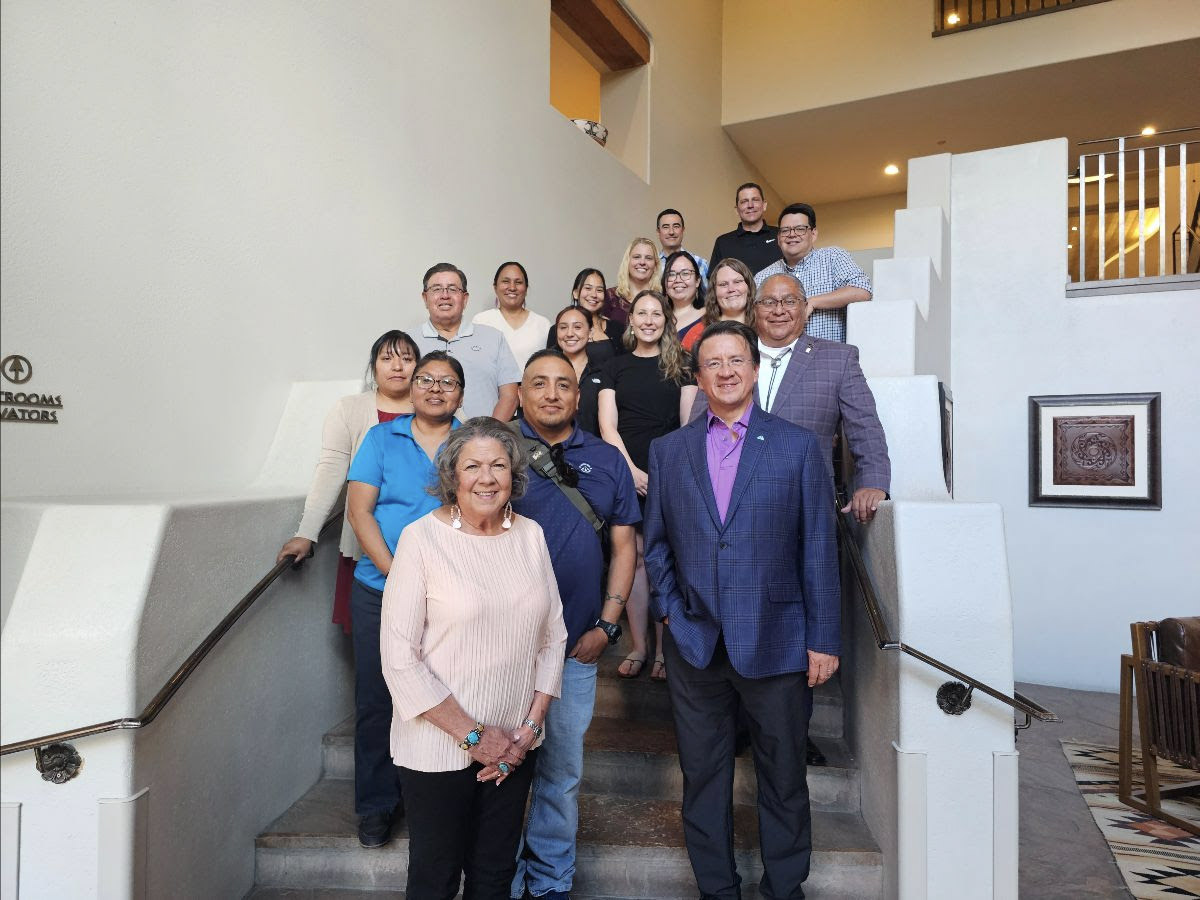
Program Dates and Location: The Leadership Summit will be held on Sunday, September 20, in Santa Fe, New Mexico. Following the Summit, attendees will also attend the 2026 NAFOA Fall Finance & Tribal Economies Conference on September 21-22.
The Department of the Interior announced a call for nominations of representatives to serve on the Secretary’s Tribal Advisory Committee, a key forum for strengthening collaboration between tribes and the federal government.
The Secretary’s Tribal Advisory Committee was established to facilitate meaningful dialogue between Interior and tribes to address evolving issues related to the Department’s programs, responsibilities and proposed policies.
Nominees for regional positions must be elected tribal officials. Nominees for expert positions may be elected tribal officials or tribal employees authorized to act on behalf of an elected tribal official. All nominees should demonstrate experience or expertise relevant to federal-tribal relations and key policy areas impacting Indian Country as they relate to the current administration’s priorities.
Source: U.S. Department of the Interior, Bureau of Indian Affairs
Learn More
By: Euna Solutions
The numbers are right. They have to be.
It’s nearly midnight, and the finance director is still at her desk. Three spreadsheets open. One email thread with 47 replies. A folder labeled “FINAL_v4_USE_THIS_ONE.” Another labeled “FINAL_v5_ACTUAL.”
Tomorrow morning, she presents to Council. The funding is historic. Infrastructure dollars. Housing funds. Broadband expansion. Language revitalization support. Opportunities that leaders fought for.
And yet here she is, toggling between tabs. Not because she doesn’t understand finance. But because opportunity has outpaced infrastructure. This is not a story about software. This is a story about sovereignty.
When Opportunity Outpaces Infrastructure
For generations, Tribal Nations have fought for the right to govern their own futures. To determine priorities. To allocate resources. To decide what prosperity looks like for their people.
Today, that sovereignty shows up in budgets. It shows up in grant reports. In procurement policies. In housing payments and utility revenue. It shows up in the quiet, unglamorous machinery of financial management. And that machinery is under strain.
Federal investment has reached levels unseen in modern history. While funding realities remain uneven across Tribal Nations, many Nations are navigating expanded opportunities alongside expanded expectations.
Download & Read the NAFOA Navigator (pg 92-23)
If you are experiencing issues with the link, copy and paste the URL in your browser: drive.google.com/file/d/1I6C8_veWDwhF_tvhKb72JU0GUdlRxb1_/view
The Chief Operating Officer (COO) is a top executive charged with overseeing the day-to-day administrative and operational functions of ILCC. The COO reports directly to the CEO of ILCC and functions as an interim CEO in any extended absence of the CEO, including direct reporting to the Board of Directors as needed.